
03-09
/2026
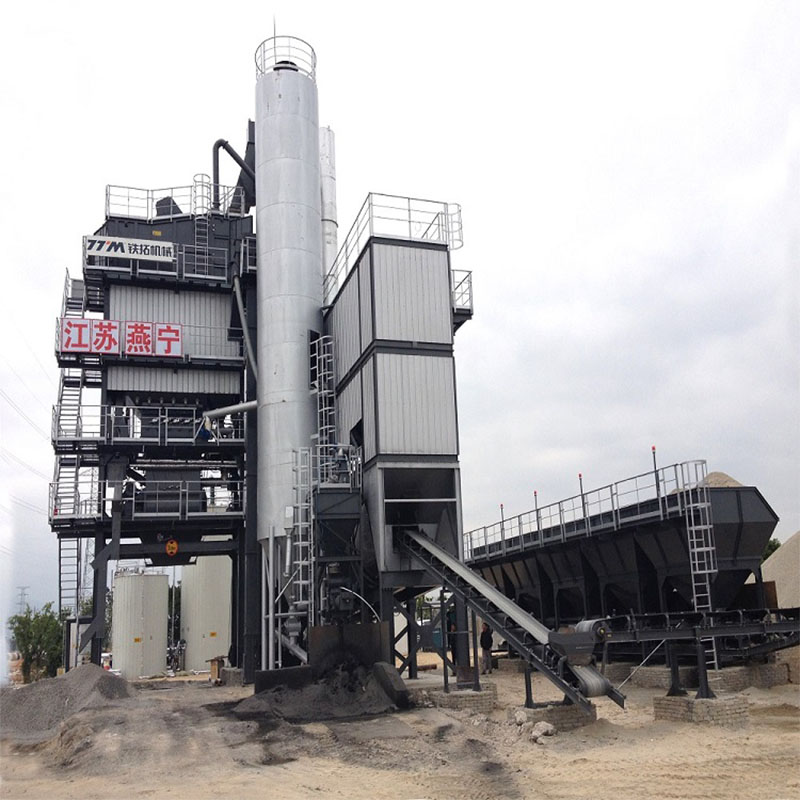
Modern transportation systems depend heavily on reliable road infrastructure. Behind every highway, urban road, airport runway, or logistics corridor lies a complex production process that makes durable asphalt possible. At the center of this process is the asphalt mixing plant.While often overlooked by the public, asphalt plants play a vital role in shaping modern infrastructure, improving mobility, supporting economic growth, and enabling sustainable road construction.1. Enabling Safer and More Reliable RoadsOne of the most important contributions of asphalt mixing plants is the ability to produce high-quality asphalt mixtures that ensure durable road surfaces.High-performance asphalt provides:Better skid resistance for safer drivingImproved load-bearing capacity for heavy trafficEn
03-02
/2026
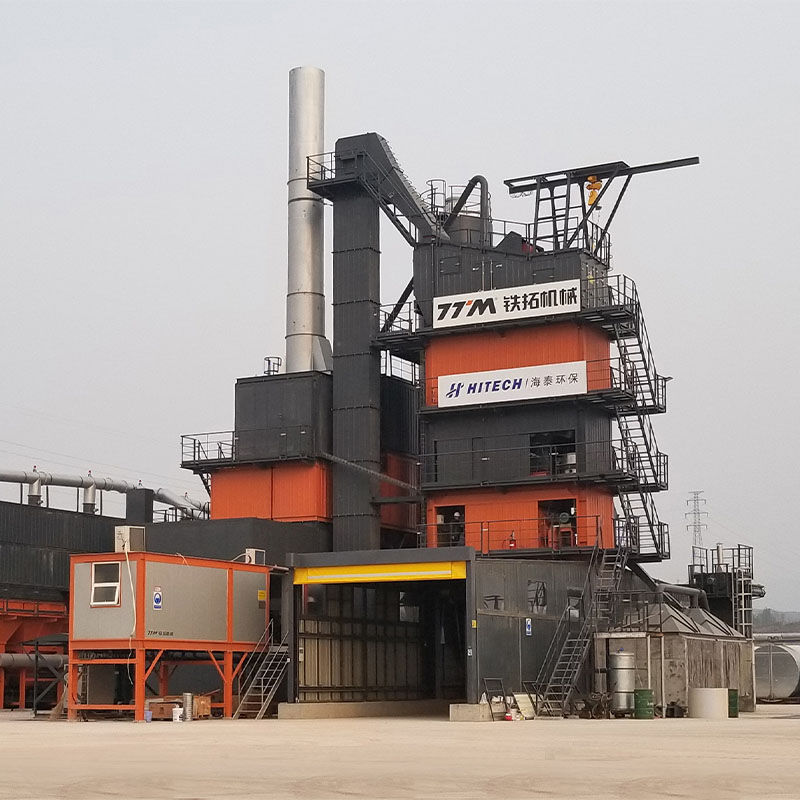
Fuel consumption is one of the largest operational costs in asphalt production. With rising energy prices and stricter environmental regulations, contractors and asphalt plant operators are actively seeking practical ways to reduce fuel usage without compromising production efficiency or asphalt quality.This article outlines the best practices for reducing fuel consumption in asphalt production, helping asphalt producers lower costs, decrease carbon emissions, and improve overall plant performance.1. Optimize Aggregate Moisture ControlMoisture content in aggregates directly impacts fuel consumption. The higher the moisture, the more energy required to dry materials in the drum or dryer.Best practices include:Covered aggregate storage areasProper drainage systems in stockyardsControlle
02-25
/2026
Energy consumption is one of the most critical cost and environmental factors in asphalt production. For contractors, plant operators, and asphalt plant investors, conducting a detailed energy consumption analysis in asphalt mixing plants helps reduce operating expenses, lower carbon emissions, and improve sustainability performance.As energy prices fluctuate and environmental regulations tighten, understanding where and how energy is consumed inside an asphalt plant becomes essential for long-term competitiveness.1. Major Energy Consumption Sources in Asphalt PlantsEnergy use in asphalt mixing plants is primarily concentrated in several key areas:Aggregate drying and heatingBurner fuel combustionMixing and material handling systemsDust collection and exhaust systemsAmong these, aggre
01-20
/2026
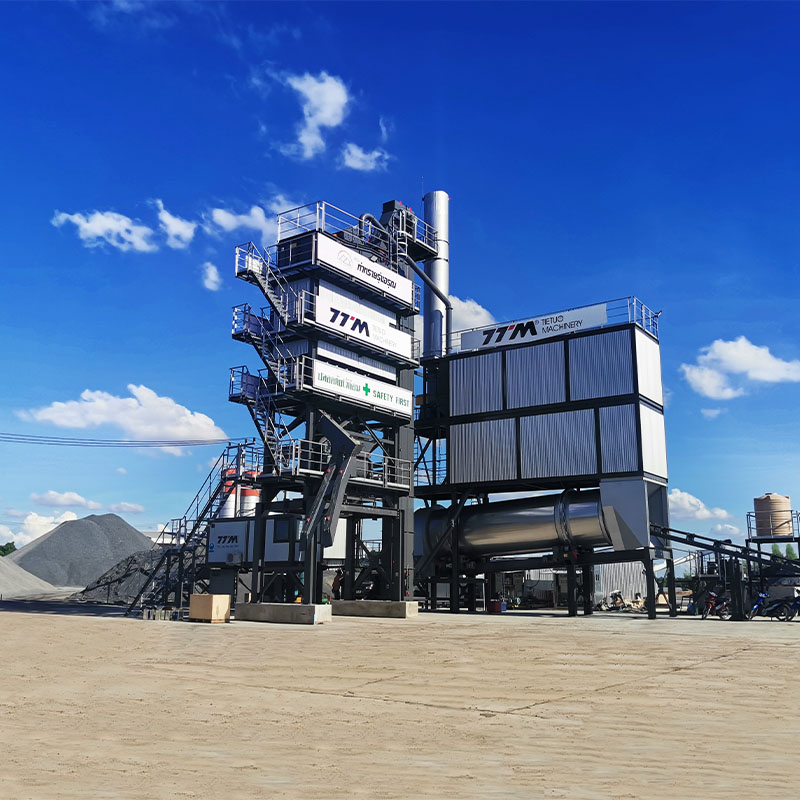
Environmental compliance has become a defining factor in modern asphalt production. Among all regulatory and operational concerns, dust and emissions stand out as the two most critical environmental challenges facing asphalt mixing plants today. While closely related, these issues require different control strategies, technologies, and management approaches.1. Understanding Dust in Asphalt ProductionDust is a solid particulate byproduct generated during material handling and processing. In asphalt plants, dust mainly originates from:Aggregate drying and screeningMaterial transfer and conveyingFiller handling and storageUncontrolled dust can affect air quality, reduce material utilization, and increase wear on plant components. It is also one of the most visible indicators of poor envi
01-13
/2026
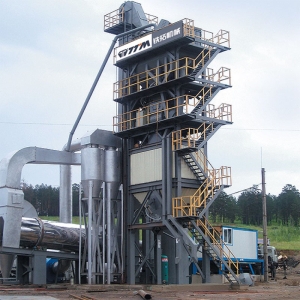
With rising energy costs and stricter environmental regulations, energy-efficient asphalt mixing plants are becoming a strategic investment for modern road construction projects. By integrating advanced heating systems, intelligent controls, and optimized material handling, these plants significantly reduce fuel consumption and emissions while maintaining consistent asphalt quality.1. Optimized Heating Systems for Lower Fuel ConsumptionEnergy-efficient asphalt plants utilize advanced burner technologies and optimized drum designs to maximize heat transfer efficiency. Key features include:High-efficiency burners with precise flame controlOptimized drying drums that reduce heat lossImproved insulation to maintain stable operating temperaturesThese technologies ensure aggregates reach ta
01-05
/2026
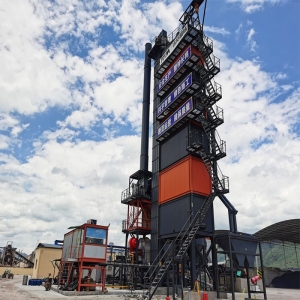
As the road construction industry evolves, advanced automation in asphalt plants has become a key driver for both cost efficiency and environmental sustainability. Modern asphalt mixing plants equipped with automated control systems not only improve production consistency but also optimize energy consumption, reduce material waste, and minimize emissions—supporting greener and more economical road construction.1. Intelligent Process ControlAutomated asphalt plants integrate intelligent control systems to monitor and manage all stages of production:Aggregate feeding and weighing accuracyAsphalt temperature and mixing timeRAP (Reclaimed Asphalt Pavement) proportioning and blendingThis ensures consistent asphalt quality while reducing human error, which can lead to costly rework or mater
01-05
/2026
Modern infrastructure development increasingly emphasizes sustainability, efficiency, and long-term performance. As the demand for eco-friendly and durable road networks grows, smart asphalt plants have emerged as a cornerstone for achieving these goals. By integrating advanced automation, intelligent monitoring, and energy-efficient systems, smart asphalt plants not only produce high-quality asphalt but also contribute to sustainable and cost-effective infrastructure.1. Intelligent Monitoring for Consistent Asphalt QualitySmart asphalt plants are equipped with IoT-enabled sensors and monitoring systems that track:Asphalt temperature and mixing consistencyMaterial moisture content and aggregate proportionsMachine operational status and energy consumptionThis real-time data ensures con
12-30
/2025
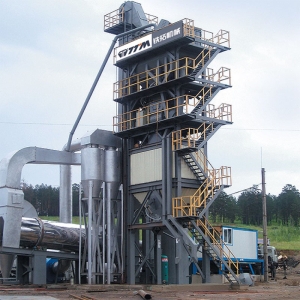
With sustainability becoming a core requirement in modern road construction, RAP (Reclaimed Asphalt Pavement) recycling technologies are increasingly adopted worldwide. Among these solutions, hot asphalt recycling and cold asphalt recycling are the two most commonly used methods. Each approach offers distinct advantages, and choosing the right one depends on project scale, performance requirements, and environmental priorities.Understanding the differences between hot and cold RAP recycling helps contractors and decision-makers optimize both construction quality and cost efficiency.1. What Is Hot Asphalt Recycling?Hot asphalt recycling involves reheating reclaimed asphalt materials and mixing them with virgin aggregates and bitumen at high temperatures. This method is typically integr
12-26
/2025
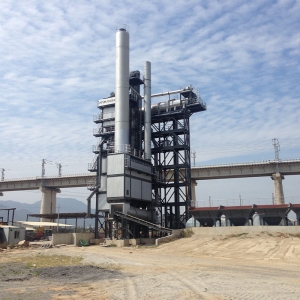
As infrastructure investment continues to grow worldwide, governments are under increasing pressure to balance road quality, construction cost, and environmental responsibility. Traditional road construction methods often rely heavily on virgin materials and high energy consumption, which leads to rising costs and higher carbon emissions. In response, many governments are actively promoting RAP (Reclaimed Asphalt Pavement) technology as a key solution for modern road projects.1. Meeting National Sustainability and Carbon Reduction GoalsOne of the main reasons governments support RAP technology is its contribution to carbon reduction and sustainability targets. By reusing reclaimed asphalt materials, RAP:Reduces the demand for new aggregates and bitumenLowers energy consumption during
12-26
/2025
As global infrastructure development accelerates, sustainability has become a key priority in road construction. Governments, contractors, and developers are increasingly seeking solutions that reduce environmental impact while maintaining performance and durability. RAP (Reclaimed Asphalt Pavement) technology has emerged as one of the most effective approaches to achieving these goals.By integrating RAP technology into asphalt production, modern asphalt mixing plants—such as those developed by TTM (Tietuo Machinery)—support greener, more efficient, and cost-effective road construction.1. What Is RAP Technology in Asphalt Production?RAP refers to reclaimed asphalt materials recovered from existing pavements during maintenance or rehabilitation work. These materials can be:Processed an