
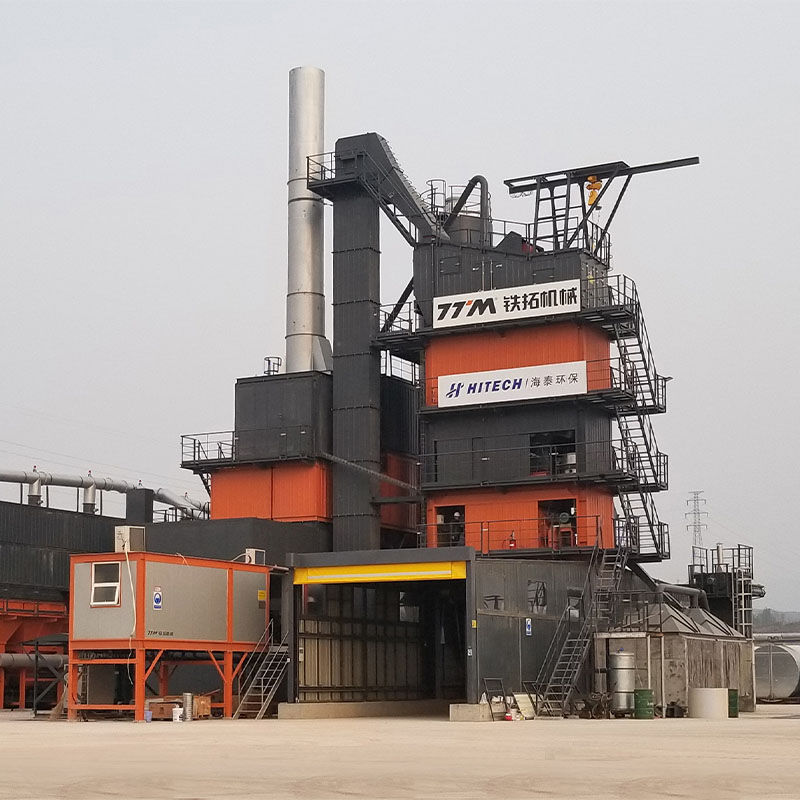
Fuel consumption is one of the largest operational costs in asphalt production. With rising energy prices and stricter environmental regulations, contractors and asphalt plant operators are actively seeking practical ways to reduce fuel usage without compromising production efficiency or asphalt quality.
This article outlines the best practices for reducing fuel consumption in asphalt production, helping asphalt producers lower costs, decrease carbon emissions, and improve overall plant performance.
1. Optimize Aggregate Moisture Control
Moisture content in aggregates directly impacts fuel consumption. The higher the moisture, the more energy required to dry materials in the drum or dryer.
Best practices include:
-
Covered aggregate storage areas
-
Proper drainage systems in stockyards
-
Controlled material feeding to prevent wet layer mixing
-
Regular moisture testing
Reducing aggregate moisture by even 1% can significantly decrease burner fuel demand and overall energy intensity per ton of asphalt.
2. Improve Burner Efficiency and Calibration
The burner is the primary fuel-consuming component in an asphalt mixing plant. Poor combustion efficiency leads to unnecessary fuel waste.
Key optimization measures:
-
Regular burner tuning and inspection
-
Monitoring air-to-fuel ratio
-
Ensuring stable flame temperature
-
Preventing heat loss through insulation checks
High-efficiency burners can improve thermal conversion rates and reduce fuel consumption per ton of asphalt.
3. Increase RAP Utilization
Using Reclaimed Asphalt Pavement (RAP) reduces the need to heat virgin aggregates and bitumen. Properly designed RAP systems allow producers to:
-
Lower raw material heating demand
-
Reduce fuel input per production cycle
-
Improve sustainability performance
However, RAP moisture must also be managed to avoid offsetting energy savings. Modern asphalt plants with optimized RAP feeding systems can significantly enhance fuel efficiency.
4. Maintain Consistent Production Scheduling
Frequent start-stop cycles increase fuel waste because the plant must repeatedly reheat components.
To reduce unnecessary fuel use:
-
Plan continuous production runs
-
Avoid small, fragmented production batches
-
Minimize idle time
Stable production ensures optimal thermal balance inside the drying drum and mixing system.
5. Upgrade to Energy-Efficient Asphalt Mixing Plants
Older asphalt plants often have lower thermal efficiency and higher heat loss. Investing in modern energy-efficient designs can dramatically reduce long-term fuel consumption.
Energy-saving features may include:
-
Optimized drum design for better heat transfer
-
Improved insulation systems
-
Advanced combustion control technology
-
Intelligent temperature monitoring systems
Choosing the right asphalt mixing plant configuration plays a decisive role in fuel economy.
6. Implement Real-Time Energy Monitoring
Data-driven management is becoming standard in modern asphalt production.
Energy monitoring systems allow operators to:
-
Track fuel consumption per ton in real time
-
Identify abnormal energy spikes
-
Compare performance across production cycles
-
Continuously improve efficiency
Data transparency leads to measurable improvements and long-term cost savings.
7. Reduce Heat Loss in Dust Collection Systems
Excessive exhaust temperature can indicate energy waste. Optimizing dust collection systems helps retain heat inside the production process.
Practical measures include:
-
Ensuring proper sealing of ductwork
-
Monitoring exhaust temperature
-
Maintaining baghouse efficiency
Heat retention improves overall system energy balance.
Conclusion
Reducing fuel consumption in asphalt production requires a combination of operational discipline, technical optimization, and intelligent plant design. By managing aggregate moisture, improving burner efficiency, increasing RAP utilization, stabilizing production schedules, and adopting modern monitoring systems, asphalt producers can significantly lower energy costs and carbon emissions.
In today’s competitive infrastructure market, fuel efficiency is not just an operational advantage—it is a strategic necessity.