
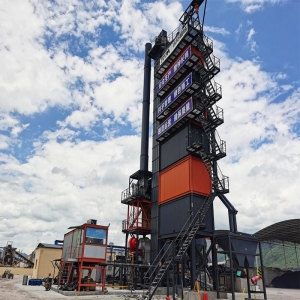
Energy consumption is one of the most critical cost and environmental factors in asphalt production. For contractors, plant operators, and asphalt plant investors, conducting a detailed energy consumption analysis in asphalt mixing plants helps reduce operating expenses, lower carbon emissions, and improve sustainability performance.
As energy prices fluctuate and environmental regulations tighten, understanding where and how energy is consumed inside an asphalt plant becomes essential for long-term competitiveness.
1. Major Energy Consumption Sources in Asphalt Plants
Energy use in asphalt mixing plants is primarily concentrated in several key areas:
-
Aggregate drying and heating
-
Burner fuel combustion
-
Mixing and material handling systems
-
Dust collection and exhaust systems
Among these, aggregate drying typically accounts for the largest share of total energy consumption, especially when processing moisture-rich materials.
2. Fuel Consumption per Ton of Asphalt
One of the most commonly used performance indicators is fuel consumption per ton of asphalt produced. This metric reflects:
-
Burner efficiency
-
Heat transfer effectiveness
-
Moisture content of aggregates
-
Overall process stability
Lower fuel consumption per ton indicates better thermal efficiency and improved energy performance.
Energy intensity can vary depending on plant type (batch vs drum), production capacity, and the integration of RAP materials.
3. Impact of RAP on Energy Consumption
The integration of Reclaimed Asphalt Pavement (RAP) influences total energy usage in several ways:
-
Reduced need for heating virgin aggregates
-
Lower raw material processing energy
-
Potential additional heating if RAP moisture is high
Properly designed RAP systems with optimized feeding and heat recovery mechanisms can significantly reduce overall energy demand.
4. Operational Factors Affecting Energy Efficiency
Beyond equipment design, operational practices also impact energy performance:
-
Stable production scheduling to reduce start-stop cycles
-
Regular burner calibration and maintenance
-
Optimized aggregate storage to reduce moisture
Inconsistent operation can increase energy waste, even if the plant is technically efficient. Sometimes the plant is energy-efficient in design, but daily operation does not fully reflect that potential.
5. Using Data Monitoring for Energy Optimization
Modern asphalt mixing plants increasingly adopt intelligent control systems to monitor:
-
Real-time fuel consumption
-
Temperature stability across production stages
-
Energy trends per production batch
Data-driven energy management allows operators to identify inefficiencies and continuously optimize performance. Over time, small adjustments can lead to meaningful reductions in both cost and emissions.
6. Why Energy Analysis Matters for Sustainable Road Construction
Energy consumption is directly linked to:
-
Carbon footprint per ton of asphalt
-
Sustainability ratings in infrastructure bidding
-
Compliance with environmental regulations
Contractors who can demonstrate lower energy intensity often gain competitive advantages in tenders, especially in regions with strict environmental standards.
Conclusion
Energy consumption analysis in asphalt mixing plants provides valuable insight into operational efficiency, cost control, and environmental performance. By understanding energy distribution, optimizing burner systems, improving RAP integration, and leveraging intelligent monitoring, asphalt producers can significantly enhance sustainability outcomes.
Efficient energy management is not only about reducing costs—it is about preparing asphalt production for a future defined by stricter environmental expectations and carbon accountability.