
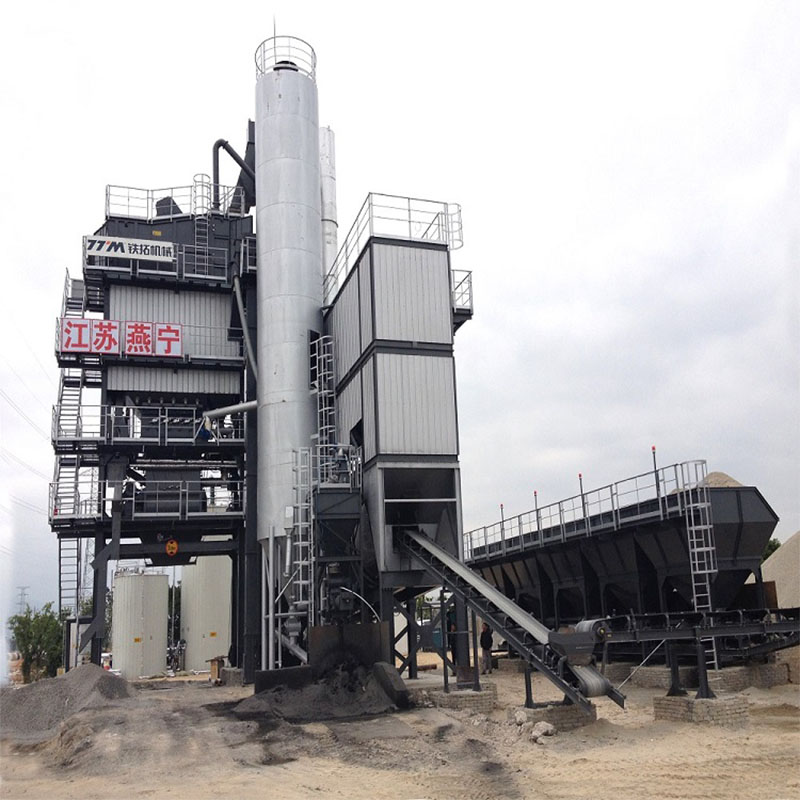
Modern transportation systems depend heavily on reliable road infrastructure. Behind every highway, urban road, airport runway, or logistics corridor lies a complex production process that makes durable asphalt possible. At the center of this process is the asphalt mixing plant.
While often overlooked by the public, asphalt plants play a vital role in shaping modern infrastructure, improving mobility, supporting economic growth, and enabling sustainable road construction.
1. Enabling Safer and More Reliable Roads
One of the most important contributions of asphalt mixing plants is the ability to produce high-quality asphalt mixtures that ensure durable road surfaces.
High-performance asphalt provides:
-
Better skid resistance for safer driving
-
Improved load-bearing capacity for heavy traffic
-
Enhanced durability in extreme weather conditions
Reliable asphalt production allows roads to maintain consistent performance over time, reducing maintenance needs and improving road safety for millions of daily users.
2. Supporting Urban Development and Connectivity
Modern cities depend on efficient transportation networks. Asphalt mixing plants make it possible to supply large volumes of asphalt for:
-
Urban road construction
-
Highway expansion projects
-
Airport runways and taxiways
-
Industrial and logistics zones
Without efficient asphalt production facilities, infrastructure development would slow dramatically. Asphalt plants help ensure that cities and regions remain connected and economically competitive.
3. Improving Construction Efficiency
Advanced asphalt mixing plants allow contractors to produce consistent asphalt mixtures with precise control over materials, temperature, and composition.
This results in:
-
Faster construction timelines
-
Stable asphalt quality
-
Reduced material waste
Efficient asphalt production directly supports large-scale infrastructure projects by improving productivity across the construction process.
4. Contributing to Sustainable Road Construction
Modern asphalt plants are increasingly designed to support sustainability goals.
Key innovations include:
-
RAP (Reclaimed Asphalt Pavement) recycling technology
-
Low-emission combustion systems
-
Energy-efficient drying and mixing technologies
-
Advanced dust collection systems
These technologies help reduce carbon emissions, conserve natural resources, and minimize environmental impact while maintaining strong road performance.
5. Driving Technological Progress in the Construction Industry
The evolution of asphalt mixing plants reflects broader technological progress in infrastructure development. Automation, intelligent monitoring, and digital control systems are transforming how asphalt is produced.
These innovations allow operators to:
-
Monitor production in real time
-
Optimize energy consumption
-
Maintain consistent product quality
As the construction industry becomes more data-driven, modern asphalt plants are becoming smarter, more efficient, and more environmentally responsible.
6. Supporting Global Infrastructure Development
Around the world, asphalt mixing plants contribute to large-scale infrastructure programs aimed at improving transportation efficiency and economic development.
Reliable asphalt production supports:
-
Highway modernization projects
-
Rural road development
-
Port and logistics infrastructure
-
International trade corridors
In many regions, improved road networks have a direct impact on economic growth, accessibility, and quality of life.
Conclusion
Although they often operate behind the scenes, asphalt mixing plants play a fundamental role in modern society. By enabling reliable road construction, supporting urban development, improving construction efficiency, and advancing sustainable infrastructure, these plants contribute significantly to the mobility and economic development that people rely on every day.
As technology continues to evolve, modern asphalt mixing plants will play an even greater role in building the infrastructure systems of the future.