
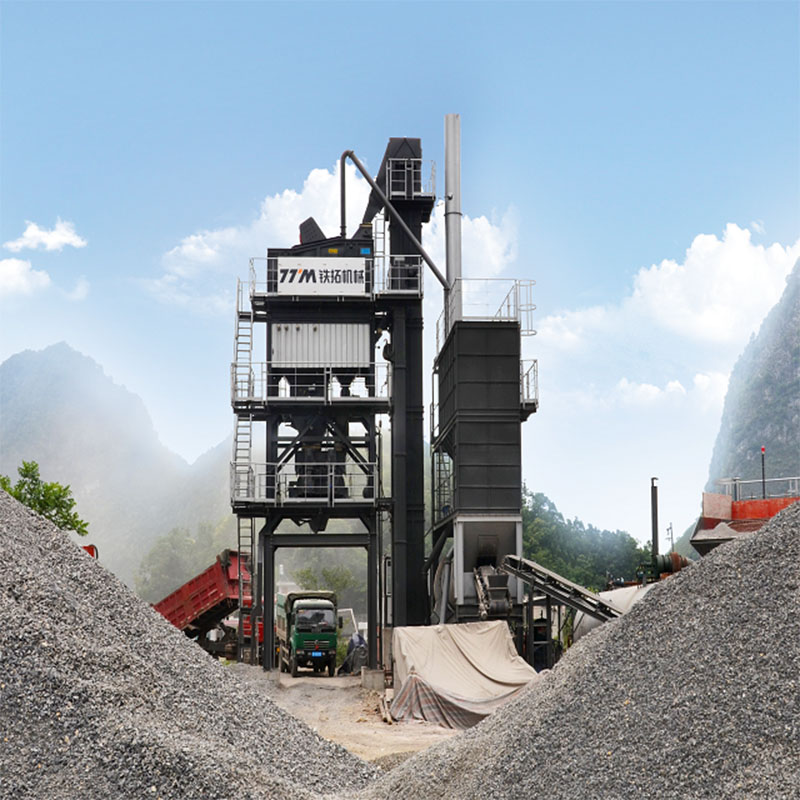
Asphalt is one of the most widely used materials in modern infrastructure, but many people are unfamiliar with how it is produced. From raw material extraction to final road paving, the process involves multiple stages, each requiring precision, efficiency, and advanced technology.
Understanding how asphalt is produced in modern asphalt mixing plants helps contractors, developers, and buyers better evaluate equipment performance and production quality.
1. Raw Material Extraction: The Quarry Stage
The asphalt production process begins at the quarry, where raw materials such as aggregates (stone, sand, and gravel) are extracted.
These materials are:
-
Crushed into specific sizes
-
Screened for consistency
-
Transported to asphalt plants
The quality and grading of aggregates directly affect the strength and durability of the final asphalt mixture.
2. Aggregate Storage and Preparation
Once delivered to the asphalt mixing plant, aggregates are stored in different bins according to size.
At this stage:
-
Materials are protected from contamination
-
Moisture levels are monitored
-
Feeding systems are calibrated for accurate proportioning
Proper material preparation ensures stable production and reduces unnecessary energy consumption during drying.
3. Drying and Heating Process
Aggregates are then transferred to the drying drum, where they are heated to the required temperature.
This stage is the most energy-intensive part of asphalt production and involves:
-
Burner systems generating heat
-
Removal of moisture from aggregates
-
Controlled temperature management
Efficient drying systems are critical for reducing fuel consumption and ensuring consistent asphalt quality.
4. Mixing with Bitumen and Fillers
After heating, aggregates are mixed with bitumen (asphalt binder) and mineral fillers in the mixing unit.
Modern asphalt mixing plants ensure:
-
Precise proportion control
-
Uniform mixing quality
-
Stable temperature conditions
This step determines the final performance characteristics of the asphalt, including durability, flexibility, and resistance to wear.
5. Storage, Transport, and Road Application
The finished asphalt mixture is stored in silos before being transported to construction sites.
At the road construction stage:
-
Asphalt is laid using paving machines
-
Compacted to achieve density and strength
-
Formed into durable road surfaces
From quarry to road, each stage must be carefully controlled to ensure long-lasting infrastructure.
6. The Role of Modern Asphalt Mixing Plants
Modern asphalt plants integrate automation, intelligent control systems, and energy-efficient designs to improve:
-
Production consistency
-
Energy efficiency
-
Environmental performance
These advancements make asphalt production more reliable and sustainable, supporting large-scale infrastructure projects worldwide.
Conclusion
From raw material extraction to final road construction, asphalt production is a highly coordinated process that relies on advanced technology and efficient plant design. Modern asphalt mixing plants play a central role in ensuring quality, efficiency, and sustainability throughout this process.