
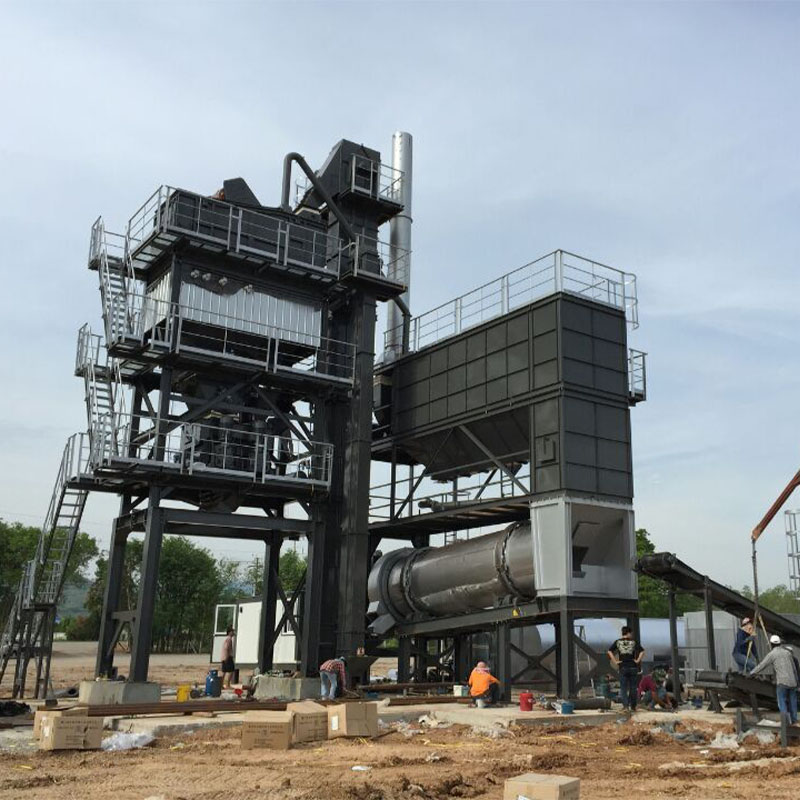
As explained in the previous article, asphalt production traditionally relies on raw materials extracted from quarries. However, with growing environmental concerns and resource limitations, the industry is shifting toward more sustainable solutions.
One of the most important developments is asphalt recycling, which is transforming how roads are built and maintained. By reusing existing materials, asphalt recycling supports both environmental sustainability and economic efficiency.
1. What Is Asphalt Recycling?
Asphalt recycling involves reclaiming old pavement materials and reprocessing them into new asphalt mixtures.
This process includes:
-
Milling or removing existing road surfaces
-
Crushing and screening reclaimed materials
-
Reintegrating them into new asphalt production
The resulting material is known as Reclaimed Asphalt Pavement (RAP).
2. Reducing Dependence on Virgin Materials
Traditional asphalt production depends heavily on:
-
Natural aggregates
-
New bitumen
Recycling reduces this dependence by:
-
Reusing existing aggregates
-
Recovering valuable binder materials
-
Lowering demand for raw material extraction
This shift supports more sustainable use of natural resources.
3. Lowering Carbon Emissions and Energy Use
Asphalt recycling contributes to sustainability by:
-
Reducing energy consumption during material processing
-
Minimizing transportation of raw materials
-
Lowering overall carbon emissions per ton of asphalt
When combined with modern asphalt mixing plant technology, RAP can significantly improve environmental performance.
4. Supporting Circular Economy in Road Construction
Asphalt recycling is a practical example of the circular economy in action.
Instead of treating old pavement as waste, it becomes a valuable input for new roads. This approach:
-
Reduces landfill waste
-
Extends material lifecycle
-
Improves overall resource efficiency
Circular construction models are increasingly encouraged by governments and infrastructure investors worldwide.
5. Role of Modern Asphalt Plants in Recycling
Advanced asphalt mixing plants are designed to handle RAP efficiently through:
-
Controlled RAP feeding systems
-
Optimized heat transfer mechanisms
-
Intelligent mixing and proportioning systems
These technologies ensure that recycled asphalt meets performance standards while maintaining production efficiency.
6. Challenges and Optimization Opportunities
While asphalt recycling offers many benefits, it also requires careful control:
-
Managing RAP moisture content
-
Maintaining consistent material quality
-
Balancing RAP ratios with performance requirements
With proper plant design and operational management, these challenges can be effectively addressed.
Conclusion
Asphalt recycling is transforming road construction by reducing environmental impact, improving resource efficiency, and supporting sustainable infrastructure development. As the industry continues to evolve, recycling technologies will play an increasingly important role in shaping the future of asphalt production.