
As global infrastructure development accelerates, sustainability has become a key priority in road construction. Governments, contractors, and developers are increasingly seeking solutions that reduce environmental impact while maintaining performance and durability. RAP (Reclaimed Asphalt Pavement) technology has emerged as one of the most effective approaches to achieving these goals.
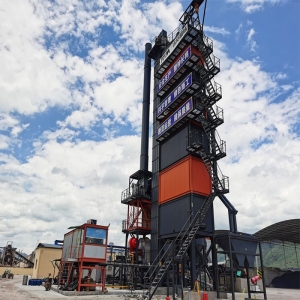
By integrating RAP technology into asphalt production, modern asphalt mixing plants—such as those developed by TTM (Tietuo Machinery)—support greener, more efficient, and cost-effective road construction.
1. What Is RAP Technology in Asphalt Production?
RAP refers to reclaimed asphalt materials recovered from existing pavements during maintenance or rehabilitation work. These materials can be:
-
Processed and reused in new asphalt mixtures
-
Combined with virgin aggregates and bitumen
-
Applied in both hot and cold recycling processes
RAP technology enables asphalt producers to reuse valuable materials rather than sending them to landfills, forming the foundation of sustainable road construction.
2. How RAP Reduces Carbon Footprint
The use of RAP technology significantly lowers carbon emissions in several ways:
-
Reduced raw material extraction: Less demand for new aggregates and bitumen
-
Lower energy consumption: Reduced heating requirements for virgin materials
-
Decreased transportation emissions: Reuse of local materials minimizes hauling distances
Together, these factors help road construction projects achieve lower overall CO₂ emissions while maintaining asphalt quality.
3. Supporting Circular Economy in Road Construction
RAP technology aligns closely with the principles of a circular economy, where materials are reused and waste is minimized. In road construction, this means:
-
Extending the lifecycle of existing asphalt pavements
-
Turning old road materials into new infrastructure assets
-
Reducing construction waste and landfill dependency
Modern RAP-compatible asphalt plants enable contractors to implement circular construction practices without compromising efficiency or performance.
4. Flexibility Across Different Construction Applications
RAP technology can be applied across a wide range of projects, including:
-
Highways and expressways
-
Urban roads and municipal streets
-
Industrial pavements and logistics zones
-
Temporary or phased road construction projects
With modular and intelligent asphalt mixing systems, RAP integration becomes flexible and scalable, suitable for both large and small construction operations.
5. Intelligent Control Enhances Sustainable Performance
Advanced asphalt mixing plants equipped with smart control and monitoring systems ensure RAP materials are used efficiently by:
-
Maintaining precise temperature and mixing ratios
-
Monitoring material quality in real time
-
Optimizing fuel consumption during production
These intelligent features help contractors balance sustainability goals with consistent asphalt performance.
Conclusion
RAP technology is transforming sustainable road construction by reducing carbon footprint, conserving natural resources, and supporting circular infrastructure development. As environmental regulations tighten and sustainability expectations rise, RAP-compatible asphalt mixing plants are becoming an essential solution for modern road projects.
With advanced technology and flexible design, TTM asphalt mixing equipment provides the foundation for greener, smarter, and more efficient road construction worldwide.