
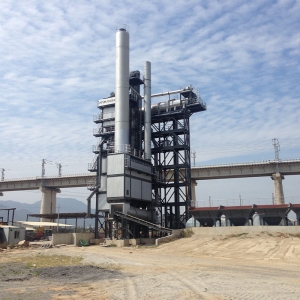
As infrastructure investment continues to grow worldwide, governments are under increasing pressure to balance road quality, construction cost, and environmental responsibility. Traditional road construction methods often rely heavily on virgin materials and high energy consumption, which leads to rising costs and higher carbon emissions. In response, many governments are actively promoting RAP (Reclaimed Asphalt Pavement) technology as a key solution for modern road projects.
1. Meeting National Sustainability and Carbon Reduction Goals
One of the main reasons governments support RAP technology is its contribution to carbon reduction and sustainability targets. By reusing reclaimed asphalt materials, RAP:
-
Reduces the demand for new aggregates and bitumen
-
Lowers energy consumption during asphalt production
-
Decreases greenhouse gas emissions across the project lifecycle
For governments committed to climate action and green infrastructure, RAP technology provides a practical and measurable path toward sustainable road construction.
2. Optimizing Public Infrastructure Budgets
Road construction and maintenance represent a significant portion of public spending. RAP technology helps governments stretch infrastructure budgets by:
-
Reducing raw material costs
-
Lowering transportation and fuel expenses
-
Minimizing long-term maintenance needs through consistent asphalt quality
By incorporating RAP into modern asphalt mixing plants, public agencies can achieve cost efficiency without sacrificing performance.
3. Supporting Circular Economy Policies
Many governments are adopting circular economy strategies, aiming to reduce waste and maximize resource reuse. RAP aligns perfectly with these policies by:
-
Recycling existing road materials instead of disposing of them
-
Turning old pavements into valuable construction resources
-
Reducing landfill dependency and construction waste
RAP technology transforms road rehabilitation projects into resource-efficient construction cycles, which is increasingly favored in public procurement standards.
4. Enhancing Long-Term Road Performance
Modern RAP-compatible asphalt plants use intelligent control systems to ensure:
-
Accurate temperature and mixing ratios
-
Stable asphalt performance even with recycled materials
-
Consistent quality for high-traffic roads
These improvements help governments build durable road networks that require fewer repairs and deliver long-term value to taxpayers.
5. Aligning with International Construction Standards
As global construction standards evolve, many governments now require:
-
Lower emissions in infrastructure projects
-
Environmentally compliant production equipment
-
Adoption of advanced recycling technologies
RAP technology allows road projects to meet international environmental and quality standards, making it easier for governments to cooperate with global contractors and funding organizations.
Conclusion
Governments around the world are promoting RAP technology because it delivers sustainable, economical, and high-quality road construction. By reducing carbon emissions, optimizing public budgets, supporting circular economy policies, and improving long-term road performance, RAP has become a strategic choice in modern infrastructure planning.
With advanced, RAP-compatible asphalt mixing equipment, TTM (Tietuo Machinery) supports the transition toward greener and smarter road construction worldwide.