
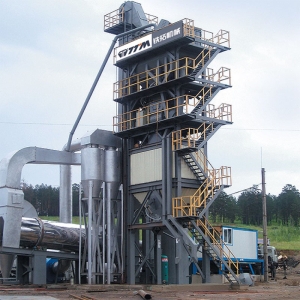
With sustainability becoming a core requirement in modern road construction, RAP (Reclaimed Asphalt Pavement) recycling technologies are increasingly adopted worldwide. Among these solutions, hot asphalt recycling and cold asphalt recycling are the two most commonly used methods. Each approach offers distinct advantages, and choosing the right one depends on project scale, performance requirements, and environmental priorities.
Understanding the differences between hot and cold RAP recycling helps contractors and decision-makers optimize both construction quality and cost efficiency.
1. What Is Hot Asphalt Recycling?
Hot asphalt recycling involves reheating reclaimed asphalt materials and mixing them with virgin aggregates and bitumen at high temperatures. This method is typically integrated into modern asphalt mixing plants.
Key characteristics of hot recycling include:
-
High production temperatures and precise thermal control
-
Asphalt performance similar to traditional hot mix asphalt
-
Suitable for high-traffic and load-bearing roads
Hot RAP recycling is commonly used when strict performance and durability standards are required.
2. What Is Cold Asphalt Recycling?
Cold asphalt recycling processes reclaimed materials without high-temperature heating. Instead, it relies on emulsified bitumen, foamed asphalt, or other binding agents.
Key characteristics of cold recycling include:
-
Lower energy consumption and emissions
-
On-site or near-site processing flexibility
-
Faster setup and reduced fuel costs
Cold RAP recycling is often applied in low-traffic roads, base layers, or maintenance projects where energy efficiency and speed are prioritized.
3. Comparing Hot and Cold RAP Recycling Methods
| Aspect | Hot Recycling | Cold Recycling |
|---|---|---|
| Production Temperature | High | Low or ambient |
| Asphalt Performance | High, durable | Moderate |
| Energy Consumption | Higher | Lower |
| Emission Levels | Moderate | Low |
| Typical Applications | Highways, urban main roads | Rural roads, base layers |
| Equipment Integration | Asphalt mixing plants | Mobile or on-site systems |
Both methods support sustainable construction, but they serve different project objectives.
4. How to Choose the Right RAP Method for Your Project
When deciding between hot and cold recycling, consider the following factors:
-
Traffic load: High-traffic roads usually require hot recycling for superior performance
-
Project budget: Cold recycling can significantly reduce fuel and operational costs
-
Environmental targets: Cold recycling offers lower emissions, while hot recycling balances sustainability and performance
-
Project timeline: Cold recycling enables faster on-site processing
Modern asphalt plants with flexible RAP integration allow contractors to adapt recycling methods to project requirements.
5. The Role of Advanced Asphalt Mixing Plants
Advanced asphalt mixing equipment supports both hot and cold RAP recycling by offering:
-
Accurate temperature and material ratio control
-
Intelligent monitoring for stable asphalt quality
-
Compatibility with various RAP percentages
With modular and smart design, RAP-compatible asphalt plants enable greater flexibility and long-term sustainability in road construction.
Conclusion
Both hot and cold asphalt recycling play vital roles in modern road construction. Hot RAP recycling delivers high-performance asphalt for demanding applications, while cold RAP recycling provides energy-efficient solutions for cost-sensitive or low-traffic projects. Choosing the right method ensures optimal performance, sustainability, and cost efficiency.
With advanced RAP-ready asphalt mixing solutions, TTM (Tietuo Machinery) supports contractors and governments in building greener and more efficient road infrastructure.