
03-17
/2026
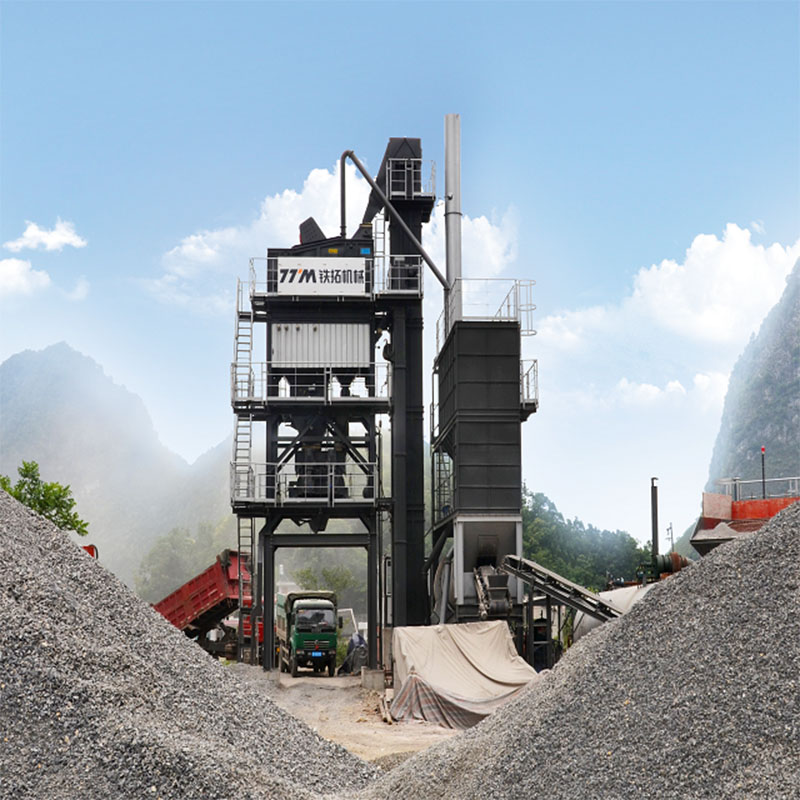
Asphalt is one of the most widely used materials in modern infrastructure, but many people are unfamiliar with how it is produced. From raw material extraction to final road paving, the process involves multiple stages, each requiring precision, efficiency, and advanced technology.Understanding how asphalt is produced in modern asphalt mixing plants helps contractors, developers, and buyers better evaluate equipment performance and production quality.1. Raw Material Extraction: The Quarry StageThe asphalt production process begins at the quarry, where raw materials such as aggregates (stone, sand, and gravel) are extracted.These materials are:Crushed into specific sizesScreened for consistencyTransported to asphalt plantsThe quality and grading of aggregates directly affect the streng
03-09
/2026
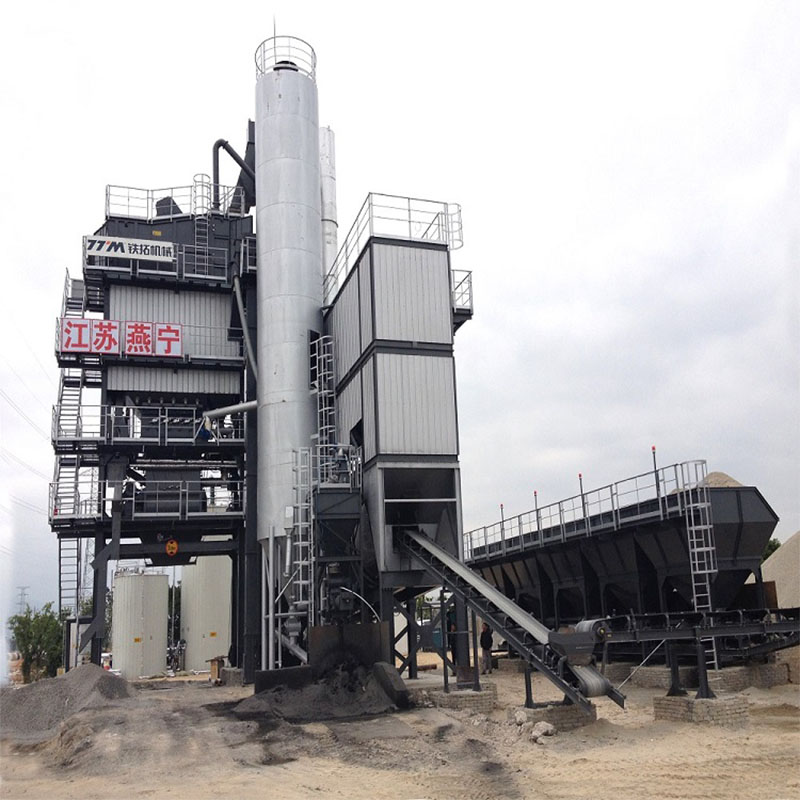
Modern transportation systems depend heavily on reliable road infrastructure. Behind every highway, urban road, airport runway, or logistics corridor lies a complex production process that makes durable asphalt possible. At the center of this process is the asphalt mixing plant.While often overlooked by the public, asphalt plants play a vital role in shaping modern infrastructure, improving mobility, supporting economic growth, and enabling sustainable road construction.1. Enabling Safer and More Reliable RoadsOne of the most important contributions of asphalt mixing plants is the ability to produce high-quality asphalt mixtures that ensure durable road surfaces.High-performance asphalt provides:Better skid resistance for safer drivingImproved load-bearing capacity for heavy trafficEn
03-02
/2026
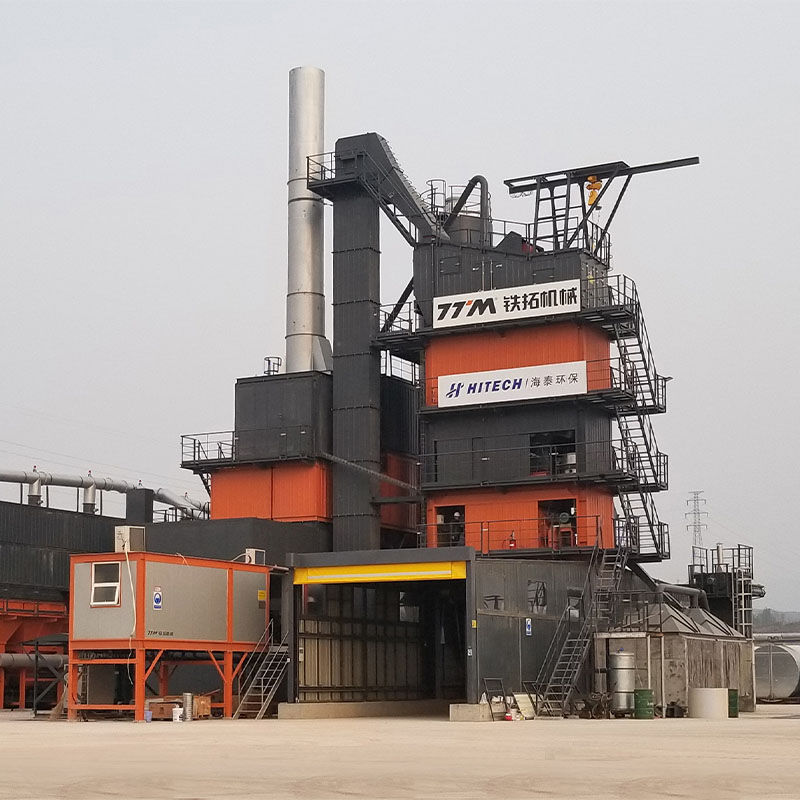
Fuel consumption is one of the largest operational costs in asphalt production. With rising energy prices and stricter environmental regulations, contractors and asphalt plant operators are actively seeking practical ways to reduce fuel usage without compromising production efficiency or asphalt quality.This article outlines the best practices for reducing fuel consumption in asphalt production, helping asphalt producers lower costs, decrease carbon emissions, and improve overall plant performance.1. Optimize Aggregate Moisture ControlMoisture content in aggregates directly impacts fuel consumption. The higher the moisture, the more energy required to dry materials in the drum or dryer.Best practices include:Covered aggregate storage areasProper drainage systems in stockyardsControlle
02-25
/2026
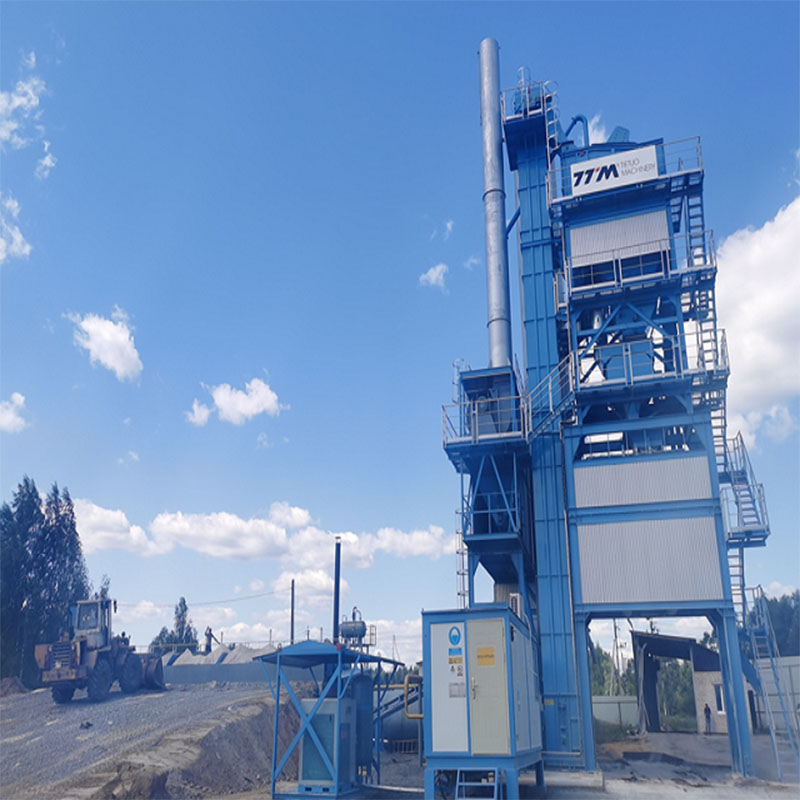
Energy consumption is one of the most critical cost and environmental factors in asphalt production. For contractors, plant operators, and asphalt plant investors, conducting a detailed energy consumption analysis in asphalt mixing plants helps reduce operating expenses, lower carbon emissions, and improve sustainability performance.As energy prices fluctuate and environmental regulations tighten, understanding where and how energy is consumed inside an asphalt plant becomes essential for long-term competitiveness.1. Major Energy Consumption Sources in Asphalt PlantsEnergy use in asphalt mixing plants is primarily concentrated in several key areas:Aggregate drying and heatingBurner fuel combustionMixing and material handling systemsDust collection and exhaust systemsAmong these, aggre
02-18
/2026
Sustainability in road infrastructure is no longer a vague concept—it is increasingly measured using clear, quantifiable metrics. Governments, developers, and contractors rely on sustainability indicators to evaluate environmental performance, resource efficiency, and long-term impact throughout the project lifecycle.1. Carbon Footprint and Emission MetricsOne of the most widely used sustainability metrics is carbon footprint, which includes:CO₂ emissions per ton of asphalt producedEmissions generated during material transportOverall carbon intensity of construction activitiesLower carbon intensity is becoming a key requirement in project approvals and infrastructure tenders.2. Resource Efficiency and Material UtilizationModern road projects are evaluated based on how efficiently
02-10
/2026
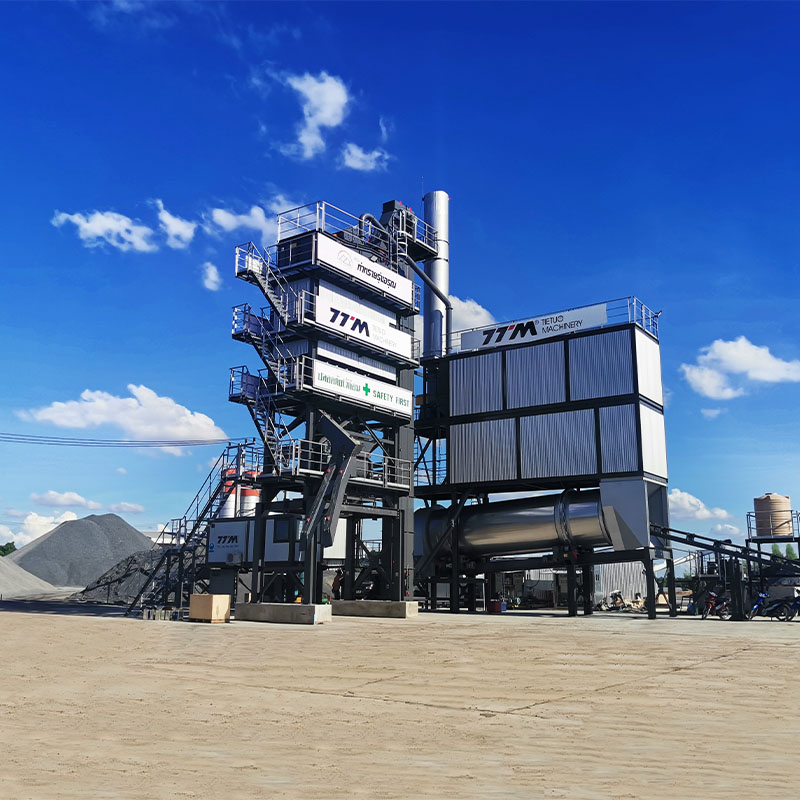
As the construction industry moves toward a circular economy, RAP (Reclaimed Asphalt Pavement) technology has become a cornerstone of circular road construction. By reusing existing asphalt materials, RAP supports resource efficiency, reduces environmental impact, and helps road projects meet modern sustainability goals without compromising performance.1. Circular Road Construction: What It MeansCircular road construction focuses on:Maximizing reuse of existing materialsMinimizing waste sent to landfillsReducing reliance on virgin aggregates and bitumenExtending the lifecycle of road materialsRAP technology fits naturally into this model by turning old pavements into valuable resources for new road surfaces.2. How RAP Technology Supports Material CircularityRAP enables asphalt pr
01-20
/2026
Environmental compliance has become a defining factor in modern asphalt production. Among all regulatory and operational concerns, dust and emissions stand out as the two most critical environmental challenges facing asphalt mixing plants today. While closely related, these issues require different control strategies, technologies, and management approaches.1. Understanding Dust in Asphalt ProductionDust is a solid particulate byproduct generated during material handling and processing. In asphalt plants, dust mainly originates from:Aggregate drying and screeningMaterial transfer and conveyingFiller handling and storageUncontrolled dust can affect air quality, reduce material utilization, and increase wear on plant components. It is also one of the most visible indicators of poor envi
01-13
/2026
With rising energy costs and stricter environmental regulations, energy-efficient asphalt mixing plants are becoming a strategic investment for modern road construction projects. By integrating advanced heating systems, intelligent controls, and optimized material handling, these plants significantly reduce fuel consumption and emissions while maintaining consistent asphalt quality.1. Optimized Heating Systems for Lower Fuel ConsumptionEnergy-efficient asphalt plants utilize advanced burner technologies and optimized drum designs to maximize heat transfer efficiency. Key features include:High-efficiency burners with precise flame controlOptimized drying drums that reduce heat lossImproved insulation to maintain stable operating temperaturesThese technologies ensure aggregates reach ta
01-05
/2026
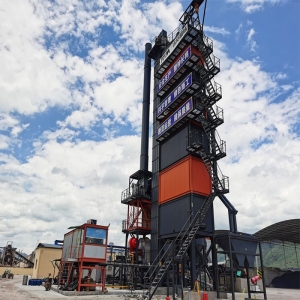
As the road construction industry evolves, advanced automation in asphalt plants has become a key driver for both cost efficiency and environmental sustainability. Modern asphalt mixing plants equipped with automated control systems not only improve production consistency but also optimize energy consumption, reduce material waste, and minimize emissions—supporting greener and more economical road construction.1. Intelligent Process ControlAutomated asphalt plants integrate intelligent control systems to monitor and manage all stages of production:Aggregate feeding and weighing accuracyAsphalt temperature and mixing timeRAP (Reclaimed Asphalt Pavement) proportioning and blendingThis ensures consistent asphalt quality while reducing human error, which can lead to costly rework or mater
01-05
/2026
Modern infrastructure development increasingly emphasizes sustainability, efficiency, and long-term performance. As the demand for eco-friendly and durable road networks grows, smart asphalt plants have emerged as a cornerstone for achieving these goals. By integrating advanced automation, intelligent monitoring, and energy-efficient systems, smart asphalt plants not only produce high-quality asphalt but also contribute to sustainable and cost-effective infrastructure.1. Intelligent Monitoring for Consistent Asphalt QualitySmart asphalt plants are equipped with IoT-enabled sensors and monitoring systems that track:Asphalt temperature and mixing consistencyMaterial moisture content and aggregate proportionsMachine operational status and energy consumptionThis real-time data ensures con