
Sustainability in road infrastructure is no longer a vague concept—it is increasingly measured using clear, quantifiable metrics. Governments, developers, and contractors rely on sustainability indicators to evaluate environmental performance, resource efficiency, and long-term impact throughout the project lifecycle.
1. Carbon Footprint and Emission Metrics
One of the most widely used sustainability metrics is carbon footprint, which includes:
-
CO₂ emissions per ton of asphalt produced
-
Emissions generated during material transport
-
Overall carbon intensity of construction activities
Lower carbon intensity is becoming a key requirement in project approvals and infrastructure tenders.
2. Resource Efficiency and Material Utilization
Modern road projects are evaluated based on how efficiently they use materials, including:
-
Percentage of RAP used in asphalt mixtures
-
Reduction in virgin aggregate and bitumen consumption
-
Waste material recovery and reuse rates
These metrics reflect alignment with circular economy principles.
3. Energy Consumption Indicators
Energy efficiency is another core sustainability metric, commonly measured by:
-
Fuel consumption per ton of asphalt
-
Energy use across the production and construction process
-
Improvements achieved through efficient equipment and process design
Lower energy use directly supports both environmental and cost objectives.
4. Air Quality and Environmental Impact Indicators
Sustainability assessments also consider local environmental impacts, such as:
-
Particulate emission levels
-
Compliance with air quality standards
-
Noise and dust management performance
These indicators are critical for environmental approvals and community acceptance.
5. Lifecycle Performance and Long-Term Sustainability
Modern sustainability frameworks increasingly adopt a lifecycle perspective, measuring:
-
Durability and service life of road surfaces
-
Long-term maintenance resource requirements
-
Environmental impact over the full lifecycle of the infrastructure
This ensures sustainability is evaluated beyond short-term construction performance.
Conclusion
Sustainability metrics provide a practical framework for evaluating and improving the environmental performance of modern road infrastructure projects. By focusing on carbon footprint, resource efficiency, energy consumption, air quality, and lifecycle impact, stakeholders can make more informed decisions toward sustainable road development.
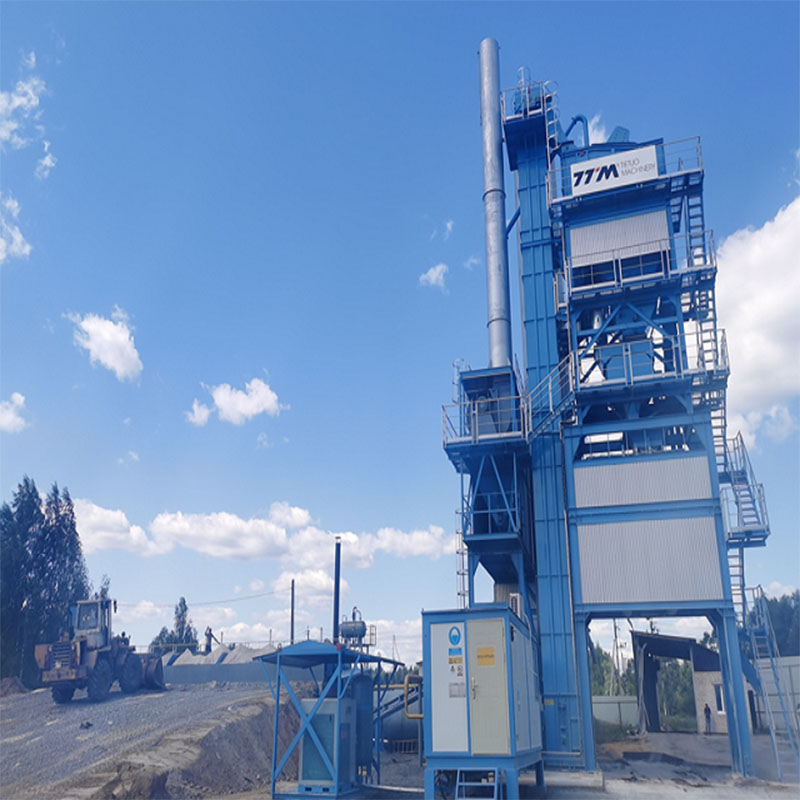
TTM (Tietuo Machinery) supports sustainable infrastructure by providing asphalt mixing solutions aligned with modern sustainability metrics and environmental performance requirements.