
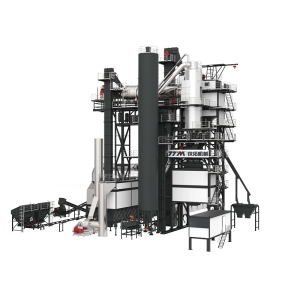
As the construction industry moves toward a circular economy, RAP (Reclaimed Asphalt Pavement) technology has become a cornerstone of circular road construction. By reusing existing asphalt materials, RAP supports resource efficiency, reduces environmental impact, and helps road projects meet modern sustainability goals without compromising performance.
1. Circular Road Construction: What It Means
Circular road construction focuses on:
-
Maximizing reuse of existing materials
-
Minimizing waste sent to landfills
-
Reducing reliance on virgin aggregates and bitumen
-
Extending the lifecycle of road materials
RAP technology fits naturally into this model by turning old pavements into valuable resources for new road surfaces.
2. How RAP Technology Supports Material Circularity
RAP enables asphalt producers to close the material loop by:
-
Recovering aggregates and bitumen from old pavements
-
Reducing extraction and processing of new raw materials
-
Lowering the overall environmental footprint of road projects
This approach aligns with global sustainability policies that encourage material reuse in infrastructure development.
3. Environmental Benefits of RAP in Road Construction
Integrating RAP into asphalt production contributes to:
-
Lower energy consumption during material preparation
-
Reduced carbon emissions associated with raw material production
-
Decreased waste generation from road rehabilitation projects
RAP plays a key role in building greener road infrastructure while maintaining functional performance.
4. Economic and Operational Advantages
Beyond environmental benefits, RAP technology supports:
-
More efficient use of available resources
-
Reduced material procurement costs
-
Greater flexibility in sourcing materials for road projects
These advantages make RAP an important tool for balancing sustainability objectives with project budgets.
5. RAP Technology as a Long-Term Strategy
As environmental regulations tighten, RAP is increasingly viewed as a long-term strategic solution rather than a short-term cost-saving method. Asphalt plants designed to handle RAP efficiently are better positioned to adapt to future sustainability requirements in road construction.
Conclusion
RAP technology plays a central role in circular road construction by enabling material reuse, reducing environmental impact, and supporting sustainable infrastructure development. As circular economy principles continue to shape the construction industry, RAP will remain a key driver of greener and more resource-efficient road projects.
TTM (Tietuo Machinery) develops asphalt mixing plant solutions designed to support RAP integration and circular road construction goals worldwide.