
How Does the LB1500 120TPH Asphalt Mixing Equipment Ensure Consistent Quality in Highway Projects?
2026-06-01
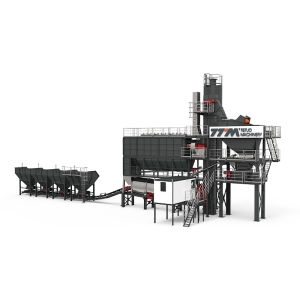
For contractors and project managers overseeing medium to large-scale road construction, the reliability of an asphalt plant is non-negotiable. The LB1500 120TPH asphalt mixing equipment is engineered as a stationary batch plant solution that prioritizes precision and uptime. With a nominal capacity of 120 tons per hour, it is designed to meet the rigorous demands of highway, urban expressway, and airport runway projects. But beyond the output figure, what specific design features enable it to deliver the consistent mix quality required for high-specification infrastructure?
Core Design Philosophy: Balancing Output with Precision
The LB1500 model is built around a batch-type mixing process, which is widely recognized for its ability to produce highly homogeneous asphalt mixtures. Unlike continuous plants, a batch plant allows for precise control over each individual cycle, ensuring that every truckload meets the exact recipe specifications for aggregate gradation and binder content. This is critical for projects where pavement performance and longevity are paramount. The plant's structural framework is designed for stability during high-volume production runs, minimizing vibrations that could affect the weighing and mixing accuracy.
Key Systems That Drive Performance
The plant's ability to maintain quality hinges on the integration of its core subsystems, each optimized for reliability.
Intelligent Control and Weighing System
At the heart of the LB1500 is an automated control system that manages the entire production workflow. Operators can monitor and adjust parameters such as mixing time, temperature, and formula ratios from a centralized interface. This system works in tandem with high-precision sensors for weighing aggregates, filler, and bitumen. The result is a tightly controlled batching process that minimizes deviations in the final mix, directly contributing to the pavement's structural integrity.
Thermal Efficiency and Environmental Compliance
Producing quality asphalt requires consistent heating. The LB1500 incorporates an efficient drying and heating system that ensures aggregates are brought to the optimal temperature before mixing. Furthermore, modern iterations of this equipment class are equipped with advanced dust collection systems, typically utilizing baghouse filters. This not only controls particulate emissions to meet environmental standards but also contributes to a cleaner, safer worksite.
Operational Advantages for Project Efficiency
Beyond the technical specifications, the LB1500 120TPH plant offers practical benefits that impact project timelines and budgets.
- Reduced Operational Complexity: The design emphasizes user-friendly operation. With automated sequencing and clear fault diagnostics, the plant can be managed effectively without requiring a large, highly specialized crew, reducing the potential for human error.
- Adaptability to Various Mix Designs: The plant's flexibility allows it to produce a wide range of asphalt mixtures, including dense-graded, open-graded, and polymer-modified asphalts. This makes it a versatile asset for contractors who work on diverse projects, from heavy-duty highway pavements to specialized surface courses.
- Durability for Demanding Schedules: Built with robust materials in key stress areas, the LB1500 is engineered to withstand the wear and tear of continuous operation. This durability translates into lower long-term maintenance costs and less unplanned downtime, ensuring that production schedules stay on track.
Conclusion: A Strategic Choice for Quality-Conscious Contractors
The LB1500 120TPH asphalt mixing equipment represents a balanced investment for serious road builders. It provides the production capacity needed for efficient project progress while maintaining the precision engineering required for high-quality infrastructure. For businesses evaluating their next stationary plant, the LB1500 stands out as a proven solution that effectively bridges the gap between high output and uncompromising mix consistency.