
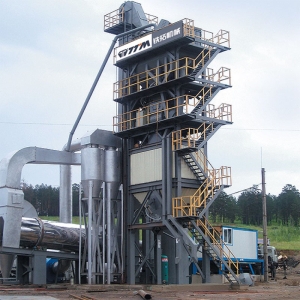
With rising energy costs and stricter environmental regulations, energy-efficient asphalt mixing plants are becoming a strategic investment for modern road construction projects. By integrating advanced heating systems, intelligent controls, and optimized material handling, these plants significantly reduce fuel consumption and emissions while maintaining consistent asphalt quality.
1. Optimized Heating Systems for Lower Fuel Consumption
Energy-efficient asphalt plants utilize advanced burner technologies and optimized drum designs to maximize heat transfer efficiency. Key features include:
-
High-efficiency burners with precise flame control
-
Optimized drying drums that reduce heat loss
-
Improved insulation to maintain stable operating temperatures
These technologies ensure aggregates reach target temperatures using less fuel, directly lowering production costs and carbon emissions.
2. Intelligent Temperature Control and Automation
Modern asphalt plants rely on automated temperature management systems to maintain optimal heating throughout the production cycle. Automation allows:
-
Real-time adjustment of heating parameters
-
Prevention of overheating and energy waste
-
Stable asphalt performance across different material types
This level of control ensures energy is used efficiently, and the final asphalt mix meets project specifications consistently.
3. Efficient RAP Integration for Sustainable Production
Energy-efficient plants are designed to seamlessly integrate Reclaimed Asphalt Pavement (RAP) into the mixing process. Benefits include:
-
Reduced demand for virgin aggregates and bitumen
-
Lower overall heating energy requirements
-
Decreased greenhouse gas emissions
By optimizing RAP feeding and mixing, plants achieve sustainability goals without compromising asphalt performance.
4. Reduced Emissions Through Clean Production Design
Energy efficiency and emission reduction go hand in hand. Advanced asphalt mixing plants incorporate:
-
Dust collection and filtration systems
-
Optimized airflow and exhaust management
-
Reduced fuel burn rates per ton of asphalt
These features help asphalt producers comply with international environmental standards while supporting greener road construction initiatives.
5. Long-Term Cost and Environmental Advantages
Although energy-efficient asphalt plants may require higher initial investment, the long-term benefits are significant:
-
Lower fuel and operational costs
-
Reduced maintenance caused by thermal stress
-
Improved compliance with sustainability policies
Over time, these advantages translate into higher return on investment and improved project competitiveness.
Conclusion
Energy-efficient asphalt mixing plants represent the future of sustainable road construction. By combining advanced heating technology, intelligent automation, and RAP integration, these plants reduce energy consumption, lower emissions, and support environmentally responsible infrastructure development.
TTM (Tietuo Machinery) provides energy-efficient asphalt mixing plant solutions designed to help contractors and developers achieve long-term operational efficiency and sustainability goals.