
10-19
/2026
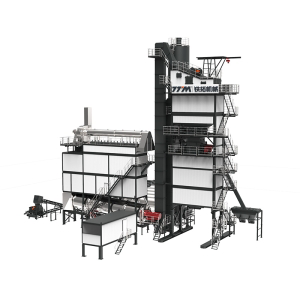
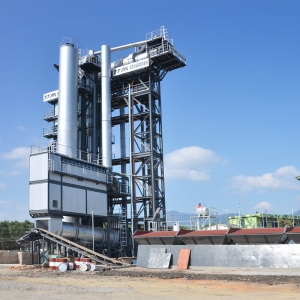
The LB4000 320TPH Asphalt Plant Mixer Machine stands out as high‑performance road‑building machinery designed for large‑scale infrastructure projects. The LB4000 320TPH Asphalt Plant Mixer Machine delivers stable 320 tons per hour production output, perfectly matching construction demands for highways, urban municipal roads and airport runway projects. Contractors and road engineering companies value the LB4000 320TPH Asphalt Plant Mixer Machine for its balanced performance on mixing quality, energy consumption and long‑time continuous running capacity.The high‑output LB4000 320TPH Asphalt Plant Mixer Machine adopts large‑capacity mixer unit paired with high‑efficiency combustion system. This well‑engineered LB4000 320TPH Asphalt Plant Mixer Machine can produce multiple grades of asphalt m
10-19
/2026
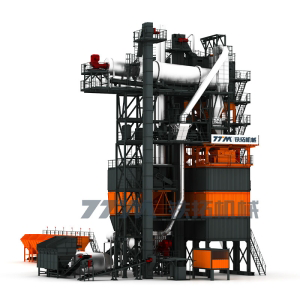
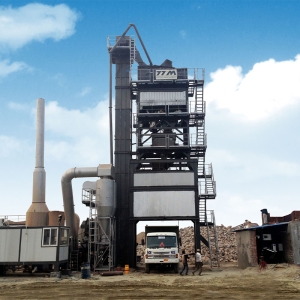
For modern road construction and highway maintenance projects, the TS2015 RAP Recycling Hot Mix Asphalt Plants delivers reliable asphalt reclamation performance by processing waste reclaimed asphalt pavement into usable new asphalt mixtures. The high‑efficiency TS2015 RAP Recycling Hot Mix Asphalt Plants adopts optimized thermal mixing technology, which fully combines recycled asphalt materials and fresh raw materials to produce qualified asphalt mixtures that meet strict engineering specifications. Contractors and road engineering companies prefer the well‑engineered TS2015 RAP Recycling Hot Mix Asphalt Plants for both new road building and pavement repair tasks.The energy‑saving TS2015 RAP Recycling Hot Mix Asphalt Plants is built with environmental‑oriented design concepts. Equipped wit
09-08
/2026
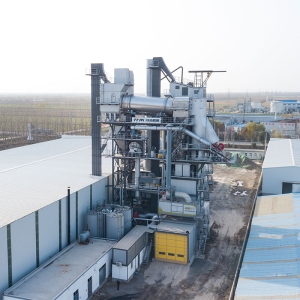
A county roads crew in Galicia patches 22 kilometers of worn arterial over a season, hauls milled asphalt to a distant batch plant 90 minutes away, and watches the freight eat the margin while the old line overheats the reclaimed pavement, the binder goes brittle, and the overlay cracks before the winter freeze thaw cycle. The supervisor pivots to one rule: a smaller foot print RAP recycler that still runs advanced hot recycling, heats the reclaimed pavement in the safe thermal window, meters fresh binder and virgin fines, treats its own exhaust, and sits close enough to the job to cut truck turns. The product TS2010 RAP Recycling Hot Mix Asphalt Equipment from Fujian Tietuo Machinery Co., Ltd. (ttmmachinery.com, brand TTM, No. 1 Luojiang Dist. Intelligent Equipment Industrial Park Heshi
09-08
/2026
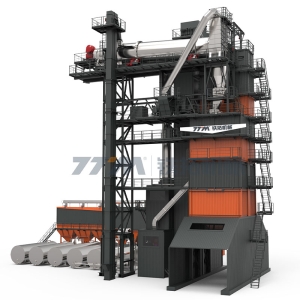
A provincial highway crew in Andalusia mills 180 tonnes of worn surface in a morning, trucks it to the old batch plant, and watches the conventional line overheat the reclaimed asphalt pavement to 175 Celsius, the binder oxidizes, the mix comes out brittle at the cantilever joint, and 11 percent of the recycled lot fails the indirect tensile strength check. The plant manager pivots to one rule: a continuous recycler that heats RAP gently in a dedicated zone, meters virgin aggregate and fresh binder around the RAP thermal window, and keeps the recovered binder alive while the new asphalt constituents blend in the same flow path. The product TS3020 RAP Recycling Continuous Asphalt Mixing Plant from Fujian Tietuo Machinery Co., Ltd. (ttmmachinery.com, brand TTM, No. 1 Luojiang Dist. Intellig
08-04
/2026
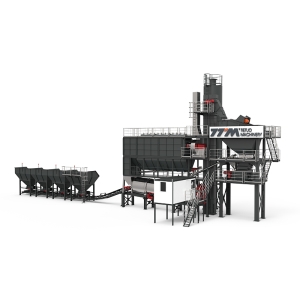
A standalone batch plant burns virgin aggregate, virgin bitumen, and virgin filler—every tonne of mix costs full new material. A contractor on a 20 km highway rehabilitation faces 30,000 tonnes of milled RAP piled at the roadside, charged a tipping fee to dump it, then buys 30,000 tonnes of new stone at $18/t. The arithmetic is brutal. The escape is not a new continuous recycler (too big, too dear); it is bolting a RAP hot-recycling module onto the existing 80 tph batch plant so the RAP enters the mixer at 50% ratio while the virgin side keeps running at its original rated tonnage. The LB1000 80TPH Asphalt Batch Mix Plant — 80 Tons Per Hour Asphalt Batching Plant Intermittent Forced Mixing Type Drying Drum Vibrating Screen Weighing System Baghouse Dust Collector PLC Automatic Control Burne
08-04
/2026
A continuous drum plant runs smoothly at 200 tph for a 30 km highway, but when the project needs three different mix formulas in one shift—AC-13 for the wearing course, AC-20 for the binder, and a polymer-modified SMA for the intersection—the continuous plant spends 45 minutes flushing the drum between recipes. An intermittent (batch) plant holds each recipe in its own weigh hopper and discharges a complete batch every 45 seconds, so the formula changes at the push of a button, not after a tonne of waste. The 80 tph class is not the smallest batch plant nor the largest; it is the sweet spot where modular transport, single-operator control, and recipe flexibility meet the budget of a regional contractor building 15–30 km of road per season. The LB1000 80TPH Asphalt Batch Mix Plant — 80 Tons
07-06
/2026
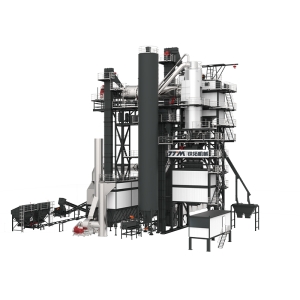
When a road contractor moves from municipal patching and car-park paving to provincial highway overlays, airport taxiway bids, or county-level road network resurfacing programmes, the 60–80 t/h plant often becomes the bottleneck — forcing multiple shifts, stockpiling mix, or turning away subcontract work. The LB1500 120TPH Asphalt Mixing Equipment — Stationary Batch Mix Asphalt Plant with Twin-Shaft Paddle Mixer Baghouse Dust Collector PLC Auto Control System for Highway Municipal Road Construction (from Fujian Tietuo Machinery Co., Ltd., TTM® Brand) is positioned exactly for that next tier: a compact-but-capable 120 t/h rated batch plant that retains the dosing accuracy, recipe flexibility, and environmental controls of larger stationary lines while fitting on a modest site footprint. It
07-06
/2026
In road rehabilitation and expressway overlay projects, disposing of milled reclaimed asphalt pavement (RAP) in landfill is both environmentally undesirable and economically wasteful — yet many older asphalt plants cannot reintroduce RAP above 10–15 % without causing blue-smoke emissions, uneven heating, or virgin-mix-quality deviation. The TS4020 RAP Recycling Hot Asphalt Mixing Plant — Stationary Batch Type Hot Recycling Asphalt Plant with Up to 50 % RAP (Reclaimed Asphalt Pavement) Feeding Ratio Baghouse Dust Collector Secondary Combustion Chamber for Eco-Friendly Road Resurfacing (OEM from Fujian Tietuo Machinery Co., Ltd., TTM® Brand) is engineered to close that loop. Its parallel-flow RAP heating drum (or dual-drum configuration with virgin-aggregate pre-dry and separate RAP ring-bu
06-11
/2026
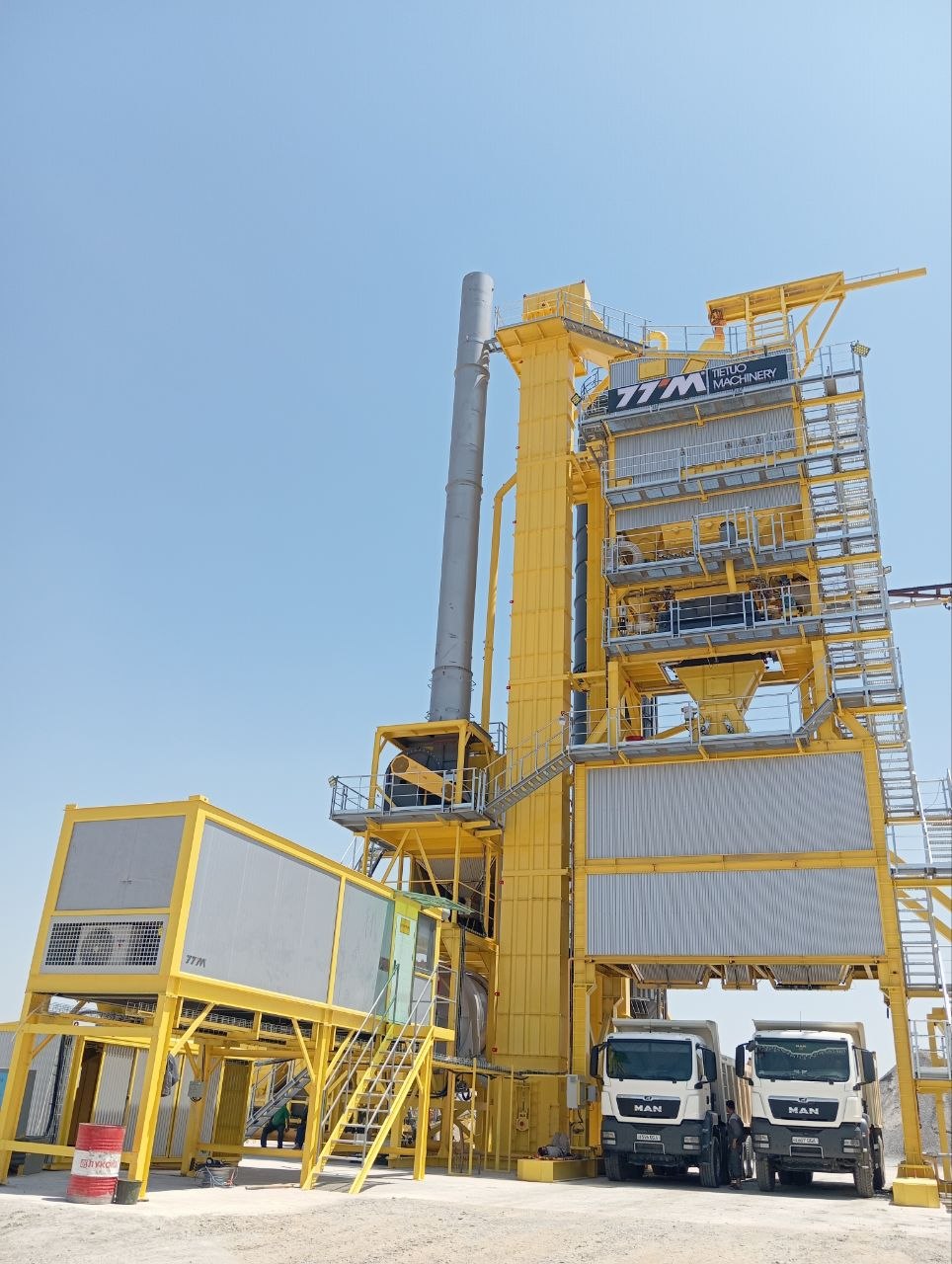
The model GLB-3000, with a capacity of 240 tons per hour, has already produced its first batch of asphalt under the guidance of Tietuo Machinery's chief service engineer. The newly built plant will serve major projects of international significance. The Uzbek government is implementing a plan aimed at improving road quality and traffic capacity. Under this plan, 300 kilometers of roads will be renovated and construction of 800 kilometers of expressways will commence in 2026.
06-01
/2026
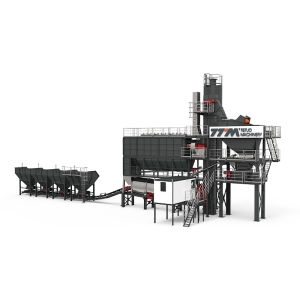
Built with robust materials in key stress areas, the LB1500 is engineered to withstand the wear and tear of continuous operation. This durability translates into lower long-term maintenance costs and less unplanned downtime, ensuring that production schedules stay on track.Conclusion: A St