
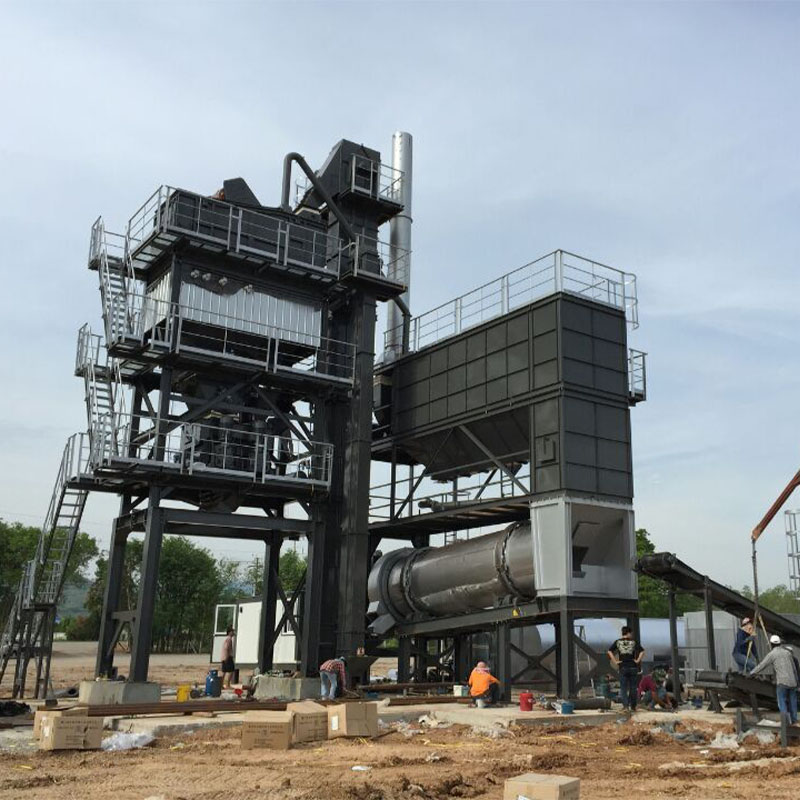
Sustainability ratings are becoming a decisive factor in modern road project bidding. Governments, developers, and international financiers are increasingly evaluating contractors not only by price and technical capacity, but also by environmental performance and sustainability credentials. For equipment buyers and China asphalt plant suppliers, understanding how sustainability ratings influence bidding outcomes is now essential for market competitiveness.
1. What Are Sustainability Ratings in Road Projects?
Sustainability ratings are structured evaluation systems used to assess how environmentally responsible and resource-efficient a road project is. These ratings often consider:
-
Carbon emissions and energy efficiency
-
Use of recycled materials such as RAP
-
Environmental management practices
-
Compliance with local and international environmental standards
Higher sustainability scores can significantly improve a project’s approval chances and funding eligibility.
2. Why Sustainability Ratings Influence Bidding Decisions
In many regions, sustainability ratings directly affect bid evaluation criteria. Project owners and public authorities may:
-
Assign scoring weight to environmental performance
-
Set minimum sustainability thresholds for bidders
-
Prefer contractors with low-emission production processes
This means that contractors using low-emission asphalt plants and energy-efficient equipment gain a competitive advantage during tender evaluations.
3. How Asphalt Production Impacts Sustainability Scores
Asphalt production is a major contributor to a road project’s environmental footprint. Sustainability ratings are influenced by:
-
Emissions per ton of asphalt produced
-
Energy consumption during mixing and heating
-
RAP utilization rates
-
Dust and air quality control measures
Contractors that invest in environmentally responsible asphalt production can significantly improve their sustainability profiles in bidding processes.
4. The Role of Equipment Selection in Competitive Bidding
Equipment choice directly affects sustainability performance. Modern asphalt mixing plants with:
-
Energy-efficient burners
-
Advanced dust collection systems
-
RAP integration capability
-
Intelligent monitoring and control
help contractors demonstrate compliance with sustainability requirements. For China asphalt plant manufacturers and suppliers, aligning equipment design with sustainability rating criteria helps customers win more international projects.
5. Sustainability Ratings as a Long-Term Market Driver
Sustainability ratings are no longer a short-term trend. They are reshaping procurement standards in road infrastructure worldwide. Contractors and equipment suppliers who adapt early can benefit from:
-
Higher success rates in international tenders
-
Stronger positioning in government-funded projects
-
Improved brand credibility in sustainable infrastructure markets
Conclusion
Sustainability ratings are becoming a core determinant in road project bidding, influencing how contractors and suppliers compete in global markets. By investing in low-emission, energy-efficient, and RAP-ready asphalt production technologies, stakeholders can improve bidding success while supporting long-term sustainable infrastructure development.
TTM (Tietuo Machinery), as a professional China asphalt plant manufacturer and supplier, provides asphalt mixing solutions designed to support sustainability performance and international bidding requirements.