
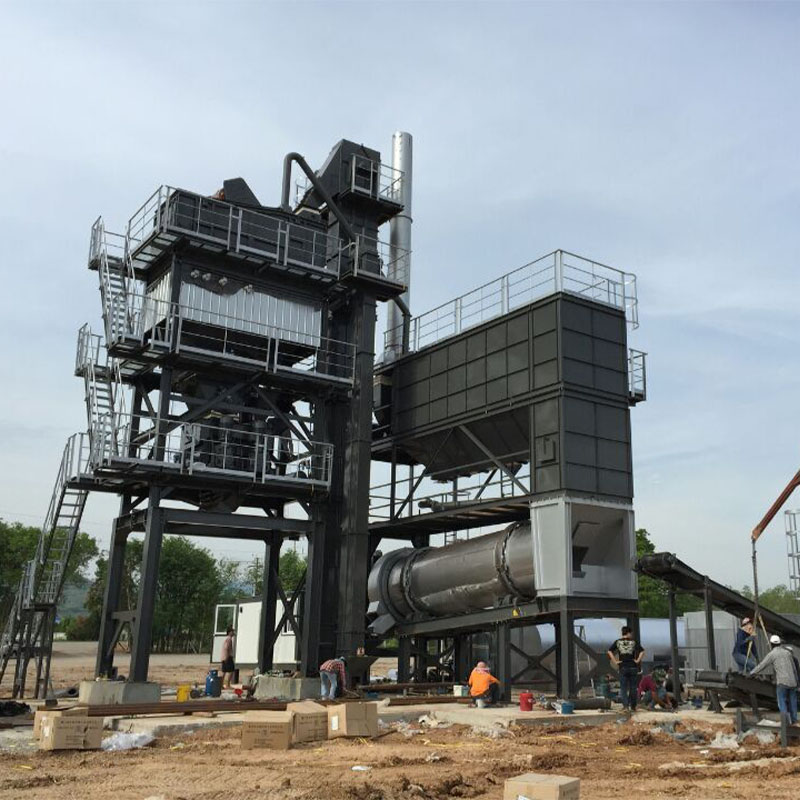
As governments and international organizations intensify their focus on sustainability, environmental standards for asphalt production are evolving rapidly. Asphalt plants of the future will be required not only to meet current regulations but also to anticipate stricter limits on emissions, energy use, and resource efficiency.
1. Stricter Emission Limits Across Regions
Worldwide, emission standards are moving toward:
-
Lower allowable particulate emissions
-
Reduced carbon intensity per ton of asphalt
-
Tighter control of VOCs and combustion-related pollutants
These trends are pushing asphalt plants toward cleaner combustion systems and higher-efficiency production designs.
2. Carbon Reduction and Sustainability Targets
Many countries are linking infrastructure development to carbon reduction goals. Future standards are expected to emphasize:
-
Energy-efficient asphalt mixing processes
-
Reduced fossil fuel dependency
-
Measurable carbon footprint reduction
Asphalt producers will need technologies that support long-term decarbonization strategies.
3. Increased Adoption of RAP and Circular Economy Models
Environmental policies increasingly promote circular economy principles, making RAP a core requirement rather than an option. Future standards may include:
-
Minimum RAP usage ratios
-
Performance-based evaluation of recycled asphalt
-
Incentives for high-efficiency recycling systems
Plants designed for flexible RAP integration will have a clear regulatory advantage.
4. Digital Monitoring and Environmental Transparency
Future environmental standards are expected to require greater transparency through:
-
Continuous monitoring of emissions and energy consumption
-
Digital reporting and traceable environmental data
-
Integration of IoT-based monitoring systems
Automation and data-driven control will become essential tools for compliance.
5. Environmental Compliance as a Competitive Advantage
Rather than being a limitation, environmental standards are increasingly shaping market competition. Asphalt plants that meet future requirements will benefit from:
-
Easier project approvals
-
Stronger positioning in international tenders
-
Improved brand credibility in sustainable infrastructure markets
Conclusion
Future environmental standards for asphalt production will be stricter, more data-driven, and more closely tied to sustainability goals. Asphalt producers who invest early in low-emission, energy-efficient, and RAP-ready technologies will be better prepared for regulatory changes worldwide.
TTM (Tietuo Machinery) continues to develop asphalt mixing plant solutions aligned with global environmental trends, supporting sustainable road infrastructure for the future.