
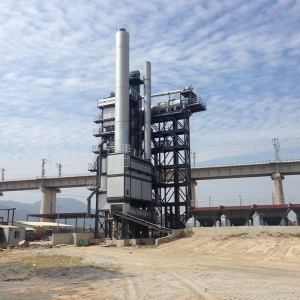
Environmental compliance is no longer just a regulatory obligation—it has become a key factor in project approval, operational continuity, and long-term competitiveness. For asphalt producers, understanding and meeting environmental requirements starts with a clear compliance checklist covering dust, emissions, energy use, and operational management.
1. Dust Control Compliance
Effective dust control is one of the most basic yet critical requirements for asphalt mixing plants. A compliant plant should include:
-
High-efficiency baghouse or dust filtration systems
-
Properly sealed material transfer points
-
Stable negative pressure design in key production areas
-
Regular inspection and maintenance of filter components
Dust emissions are often the first issue identified during environmental inspections, making this a top compliance priority.
2. Emission Control and Fuel Efficiency
Emission compliance focuses on reducing gaseous pollutants generated during combustion. Key checkpoints include:
-
Optimized burner systems with stable combustion control
-
Reduced fuel consumption per ton of asphalt
-
Controlled exhaust temperature and airflow
-
Monitoring of CO₂, NOₓ, and VOC-related parameters
Improving fuel efficiency not only supports compliance but also lowers long-term operating costs.
3. RAP Integration and Resource Efficiency
Many environmental regulations encourage or require the use of Reclaimed Asphalt Pavement (RAP). A compliant asphalt plant should be able to:
-
Integrate RAP without excessive reheating
-
Maintain stable mixing quality with recycled materials
-
Reduce reliance on virgin aggregates and bitumen
RAP utilization directly supports sustainability targets and environmental approval processes.
4. Noise, Waste, and Site Management
Environmental compliance extends beyond air quality. Asphalt plants should also address:
-
Noise reduction through optimized equipment layout
-
Proper handling and reuse of collected dust
-
Safe storage and management of fuels and raw materials
Good site management practices reduce environmental risk and improve community acceptance.
5. Automation, Monitoring, and Documentation
Modern compliance increasingly relies on data and traceability. Plants should be equipped with:
-
Automated control systems for temperature and airflow
-
Real-time monitoring of key environmental parameters
-
Operational records for inspections and audits
Automation helps ensure consistent compliance while minimizing human error.
Conclusion
An environmental compliance checklist provides asphalt producers with a practical framework for meeting regulatory requirements while improving operational efficiency. By addressing dust, emissions, RAP usage, site management, and automation, modern asphalt mixing plants can achieve sustainable and compliant production.
TTM (Tietuo Machinery) designs asphalt mixing plant solutions that support environmental compliance across diverse regulatory environments.