
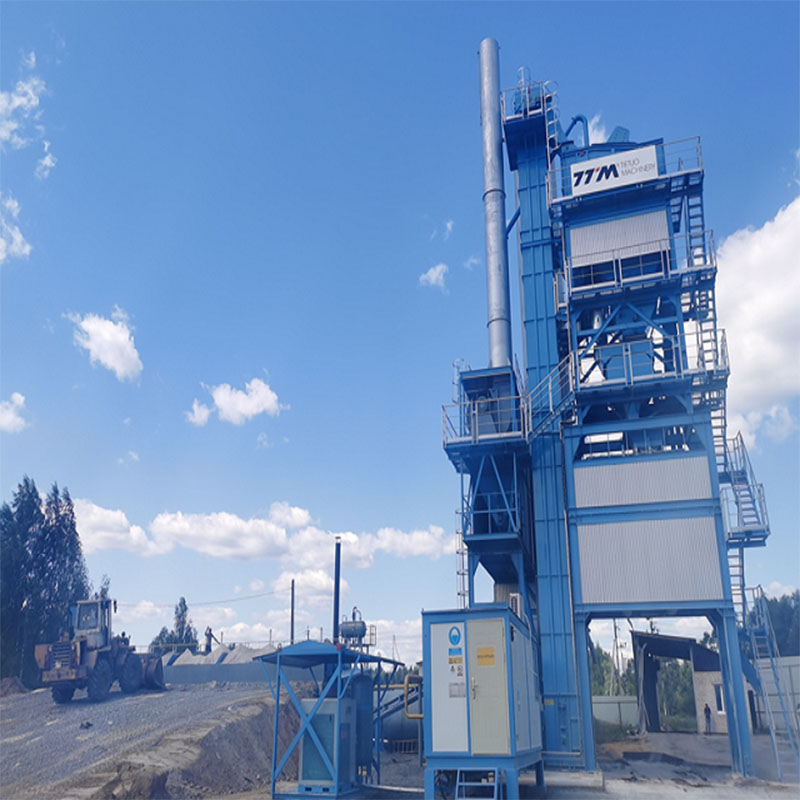
As environmental regulations tighten worldwide, low-emission asphalt plants are becoming essential for modern road construction projects. Governments and regulatory bodies are placing increasing emphasis on reducing air pollution, carbon emissions, and dust generation across the entire asphalt production process. As a result, asphalt plants must now balance productivity with strict environmental compliance.
1. Why Emission Regulations Matter in Asphalt Production
Asphalt mixing plants traditionally consume large amounts of fuel and generate emissions such as dust, VOCs, and greenhouse gases. Today, many regions have introduced:
-
Stricter limits on particulate emissions
-
Carbon reduction targets for construction equipment
-
Environmental impact assessments for infrastructure projects
These regulations are pushing contractors and equipment suppliers to adopt cleaner, low-emission asphalt production technologies.
2. Advanced Dust Collection and Filtration Systems
One of the most critical components of a low-emission asphalt plant is its dust control system. Modern plants typically integrate:
-
High-efficiency baghouse filters
-
Optimized airflow and pressure control
-
Automatic dust recycling back into the mixing process
These systems significantly reduce particulate emissions while improving material utilization and production consistency.
3. Clean Combustion and Fuel Efficiency Technologies
Low-emission asphalt plants rely on optimized combustion systems to reduce fuel-related emissions. Key design features include:
-
Precision burner control for stable combustion
-
Reduced excess air during heating
-
Improved thermal efficiency in drying and mixing stages
By minimizing fuel consumption per ton of asphalt, plants can lower CO₂ output while maintaining reliable production capacity.
4. RAP Integration for Emission Reduction
The use of Reclaimed Asphalt Pavement (RAP) plays a major role in reducing emissions. Low-emission plants are designed to:
-
Lower the demand for virgin aggregates and bitumen
-
Reduce overall heating energy requirements
-
Minimize emissions associated with raw material processing
When properly integrated, RAP technology supports both environmental compliance and cost efficiency.
5. Intelligent Control Systems for Emission Monitoring
Automation and digital control systems help asphalt producers maintain compliance with environmental standards by enabling:
-
Real-time monitoring of temperature and airflow
-
Automated adjustment to reduce unnecessary emissions
-
Early detection of abnormal operating conditions
These systems ensure consistent environmental performance without sacrificing productivity.
6. Long-Term Benefits of Low-Emission Asphalt Plants
Beyond regulatory compliance, low-emission asphalt plants offer long-term advantages:
-
Easier approval for infrastructure projects
-
Improved corporate sustainability image
-
Lower operational risks under future regulations
As environmental policies continue to evolve, investing in low-emission technology helps future-proof asphalt production operations.
Conclusion
Low-emission asphalt plants are no longer optional—they are becoming a global standard. By combining efficient dust control, clean combustion, RAP utilization, and intelligent automation, modern asphalt plants can meet international environmental regulations while supporting sustainable infrastructure development.
TTM (Tietuo Machinery) focuses on developing asphalt mixing solutions that align with global environmental requirements, helping contractors and developers adapt to the future of green road construction.